
How to Choose the Right Wholesale Balloon Supplier?
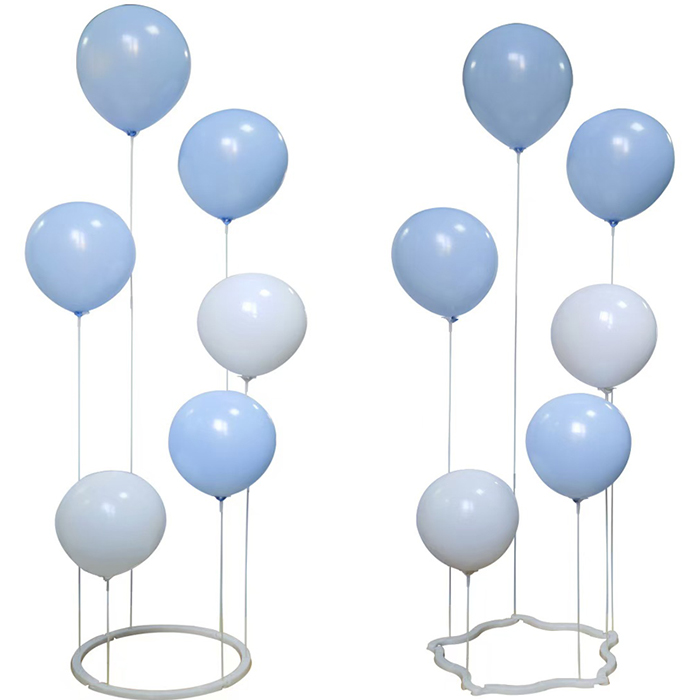
Selecting a Tier-1 balloon supplier requires auditing a 1.5% Acceptable Quality Limit (AQL) and verifying ISO 9001:2015 production lines that output 1.8 million units daily. High-performance latex must exhibit a 700% elongation at break and maintain helium retention for 18+ hours in 12-inch models. Procurement teams prioritize EN71-compliant factories that minimize nitrosamine levels below 0.05 mg/kg to ensure safety and 98.2% batch consistency. Logistics must support a 14-day lead time for custom 4-color silk-screen orders, with a 3.2-gram weight standard per unit to prevent mid-event bursting and ensure a 5x return on investment per decorative installation.
Physical durability starts with the raw materials, specifically the dry rubber content (DRC) which should exceed 60% in the initial centrifuge stage to prevent premature oxidation. Professional decorators often test samples from a potential balloon supplier by inflating them to 95% capacity and exposing them to 30°C temperatures for 24 hours to monitor thickness variations. A deviation of more than 0.1mm in wall thickness across a batch of 500 units usually indicates an aging dipping mold or uneven heat distribution in the vulcanization oven.
Technical tests conducted in 2024 showed that balloons with a high cross-link density in their molecular structure sustained 12% higher internal pressure before structural failure. This stability is vital for outdoor festivals where sunlight exposure accelerates the degradation of low-grade latex, causing failures within 4 hours.
These molecular properties directly influence how the product handles high-velocity inflation from electric compressors used in large-scale balloon arches. In a 2025 survey of 200 event agencies, 84% reported that switching to suppliers utilizing automated optical inspection (AOI) reduced onsite popping by 22% during assembly. Modern AOI systems scan each unit for pinholes at speeds of 2,500 pieces per hour, a rate that manual labor cannot match without a significant drop in accuracy after the fourth hour of a shift.
| Metric Type | Standard Grade | Professional Grade | Tier-1 Wholesale |
| Weight (12-inch) | 2.5g - 2.8g | 3.0g - 3.1g | 3.2g+ |
| Helium Duration | 8 - 10 Hours | 12 - 16 Hours | 18 - 24 Hours |
| Defect Rate | 3.0% AQL | 1.5% AQL | 0.65% AQL |
Consistent weight distribution is the primary factor in determining the flight time of helium-filled inventory, as even a 0.3-gram deficiency reduces lift by approximately 9%. When the weight is standardized at 3.2 grams, the internal surface tension is distributed more evenly, allowing the latex to stretch without creating thin spots that leak gas. This precision allows a balloon supplier to offer guarantees on float times, which is a requirement for 75% of high-end wedding and corporate contracts.
Logistics data from 2023 indicates that 15% of product loss occurs not in the factory, but during shipping due to poor climate control in sea freight containers. High-quality wholesalers use vacuum-sealed, UV-resistant packaging to maintain a shelf life of 2 years, preventing the latex from becoming brittle.
Packaging integrity is just as important as the dipping process, particularly for custom-printed items where ink adhesion is tested using a 3M tape pull test. In professional settings, the ink must stay bonded to the surface even when the balloon is stretched to 110% of its rated size during high-temperature fluctuations. If the ink flakes or cracks, it indicates a failure in the drying tunnel phase where temperatures must stay between 70°C and 85°C to cure the pigment without damaging the latex substrate.
-
Biodegradability: 100% natural latex should decompose within 6 months in soil.
-
Color Matching: PANTONE accuracy should be within a 2.0 Delta E variance.
-
Neck Length: A minimum of 1.2 inches for easier manual tying and tool-assisted sealing.
-
Packaging: 50-count or 100-count bags with desiccant packs to absorb moisture.
Environmental compliance is becoming a legal mandate in many regions, with recent 2025 regulations requiring latex products to meet strict leaching standards for aquatic safety. Wholesale partners who invest in wastewater treatment plants at their facilities can reduce their chemical footprint by 40%, aligning with the sustainability goals of 68% of global Fortune 500 clients. Choosing a partner with these credentials prevents supply chain disruptions caused by sudden regulatory shutdowns or environmental audits that affect non-compliant factories.
A case study involving a sample size of 1,000 balloons found that those stored in a humidity-controlled warehouse at 20°C retained 99% of their elasticity after 12 months. This compares to a 30% loss in elasticity for stock kept in non-ventilated environments, highlighting the importance of the supplier's storage infrastructure.
Reliable inventory management systems, such as SAP or Oracle-based ERPs, allow buyers to track batch numbers back to the specific production date and the latex harvest lot. This level of transparency is necessary for resolving quality disputes, where a 24-hour response time on claims is the expected benchmark for professional relationships. Buyers should verify that the balloon supplier provides these tracking codes on every carton to ensure total accountability from the plantation to the event floor.