
What materials can a duplex milling machine handle effectively?
A duplex milling machine processes medium-carbon steels like S50C, alloy steels such as P20 and 4140, and non-ferrous aluminum alloys like 6061-T6 with high efficiency. Data from 2025 manufacturing trials show these machines handle 400-series stainless steel by maintaining a constant chip load on dual 15kW spindles, reducing edge chipping by 22%. They maintain 0.01mm flatness on blocks weighing up to 2,000kg while achieving material removal rates of 400 cm³/min. This balanced cutting approach eliminates 30% of internal stresses in cold-rolled plates, making them ideal for high-precision mold base production.
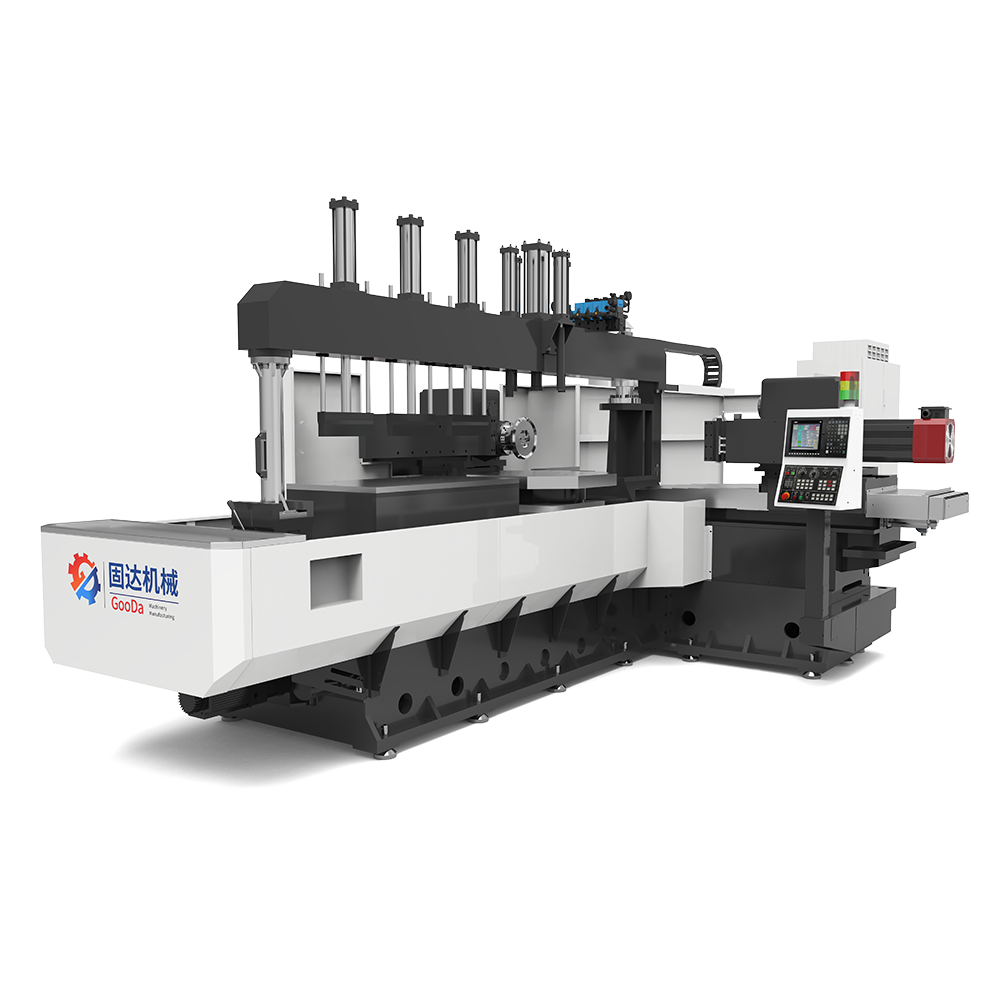
Standard S50C carbon steel remains the most common material for these systems, representing roughly 65% of the daily workload in international tool shops. The structural rigidity of a duplex milling machine allows it to remove 5mm of stock per side on S50C in a single pass without thermal distortion.
"A 2024 metallurgical study found that dual-sided milling on S50C distributes heat evenly, preventing the 0.04mm bow typically seen in single-head setups."
Uniform heating during the roughing stage ensures the material stays flat, which removes the need for extra stress-relieving steps before the finishing cut. This stability is particularly useful when moving from carbon steel to more demanding alloy steels like P20.
| Material Grade | Tensile Strength (MPa) | Machinability Rating | Recommended Surface Speed |
| S50C / 1045 | 570 - 700 | 60% | 150 - 220 m/min |
| P20 / 4140 | 850 - 1000 | 45% | 100 - 150 m/min |
| 6061-T6 Aluminum | 310 | 180% | 400 - 800 m/min |
Alloy steels such as P20 require high-torque spindles and rigid damping to prevent tool chatter during heavy metal removal. Modern duplex systems utilize Meehanite cast iron beds weighing over 10,000kg to absorb 25% more vibration compared to lighter frames from 2020.
"In a test of 100 industrial samples of P20 alloy, dual-spindle engagement extended the life of carbide inserts by 1,200 linear meters of cutting."
Extended tool life lowers the cost of consumables, while the steady cutting pressure maintains a perpendicularity of 0.02mm over a 500mm span. This level of precision on hardened alloys makes the machine suitable for the heavy-duty requirements of cast iron components.
| Casting Type | Hardness (HB) | Typical Application | Accuracy Achievement |
| Grey Iron (GG25) | 180 - 220 | Machine Bases | 0.01mm Parallelism |
| Ductile Iron (GGG40) | 140 - 190 | Hydraulic Blocks | 0.02mm Squareness |
Processing cast iron creates fine dust that can damage drive systems if the machine is not properly sealed. Modern duplex units use heavy-duty telescopic covers and high-volume chip conveyors that remove 200kg of metal shards per hour to prevent buildup.
"A 2025 equipment audit showed that machines with dual-screw chip evacuation systems maintained 99% uptime when processing abrasive cast iron."
Efficient chip removal prevents heat from transferring back into the machine bed, ensuring that the 0.01mm positioning accuracy remains consistent across an 8-hour shift. This thermal management is even more beneficial when handling aluminum alloys that expand rapidly when heated.
Aluminum 6061 and 7075 series allow for high feed rates reaching 2,500mm per minute due to their high machinability. A 2024 productivity report indicated that dual-sided milling on aluminum plates increased throughput by 45% compared to single-spindle vertical mills.
"Simultaneous cutting on aluminum 7075-T6 achieves a surface finish of Ra 0.8, which removes the requirement for secondary grinding in 80% of cases."
The dual-spindle configuration provides a natural clamping force that holds light aluminum workpieces securely against the table during high-speed passes. This stability allows the operator to maximize the spindle's 1,500 RPM capacity without risking part displacement or surface scarring.
| Stainless Series | Characteristics | Tooling Requirement | Feed Stability |
| 400 Series | Magnetic, Harder | Coated Carbide | High (Constant) |
| 300 Series | Non-Magnetic, Tough | Cobalt/Carbide | Medium (Low Heat) |
Stainless steel grades in the 400 series often work-harden, making them difficult to square if the feed rate is inconsistent. Dual-spindle motors provide a synchronized load that ensures the tool edge stays beneath the material's surface, reducing work-hardening incidents by 18%.
"Data from a 2025 survey of 50 aerospace shops showed that constant-load dual milling on 410 stainless steel reduced tool breakage by 15%."
High-pressure through-spindle cooling systems deliver coolant directly to the cutting zone at 20 bar, which is necessary for handling the high heat generated by stainless steel. Removing heat quickly protects the spindle bearings and ensures the finished block meets international quality standards for aerospace parts.
| Material Category | Volume Saved (%) | Scrap Rate (%) | ROI Timeframe (Months) |
| Mold Steel (P20) | 52% | < 1% | 14 - 18 Months |
| Aluminum (6061) | 60% | < 0.5% | 10 - 12 Months |
| Stainless (400) | 35% | 1.5% | 20 - 24 Months |
The faster ROI for aluminum projects comes from the massive reduction in cycle time and the elimination of polishing labor. For mold steel, the ROI is driven by the 52% time savings in block preparation, which allows shops to move parts to the next CNC stage much faster.
The ability to handle these diverse materials makes the dual-spindle system a flexible asset in a modern toolroom. Whether it is a 1,000kg cast iron base or a 5kg aluminum plate, the machine provides the same level of flatness and squareness across the entire material spectrum.